UMPSA and University of Edinburgh Explore Collaboration in Space Technology, Planetary Health and Sciences, Biodiversity, and Critical Minerals
Thursday, 10 September 2026 | UMPSA Pekan
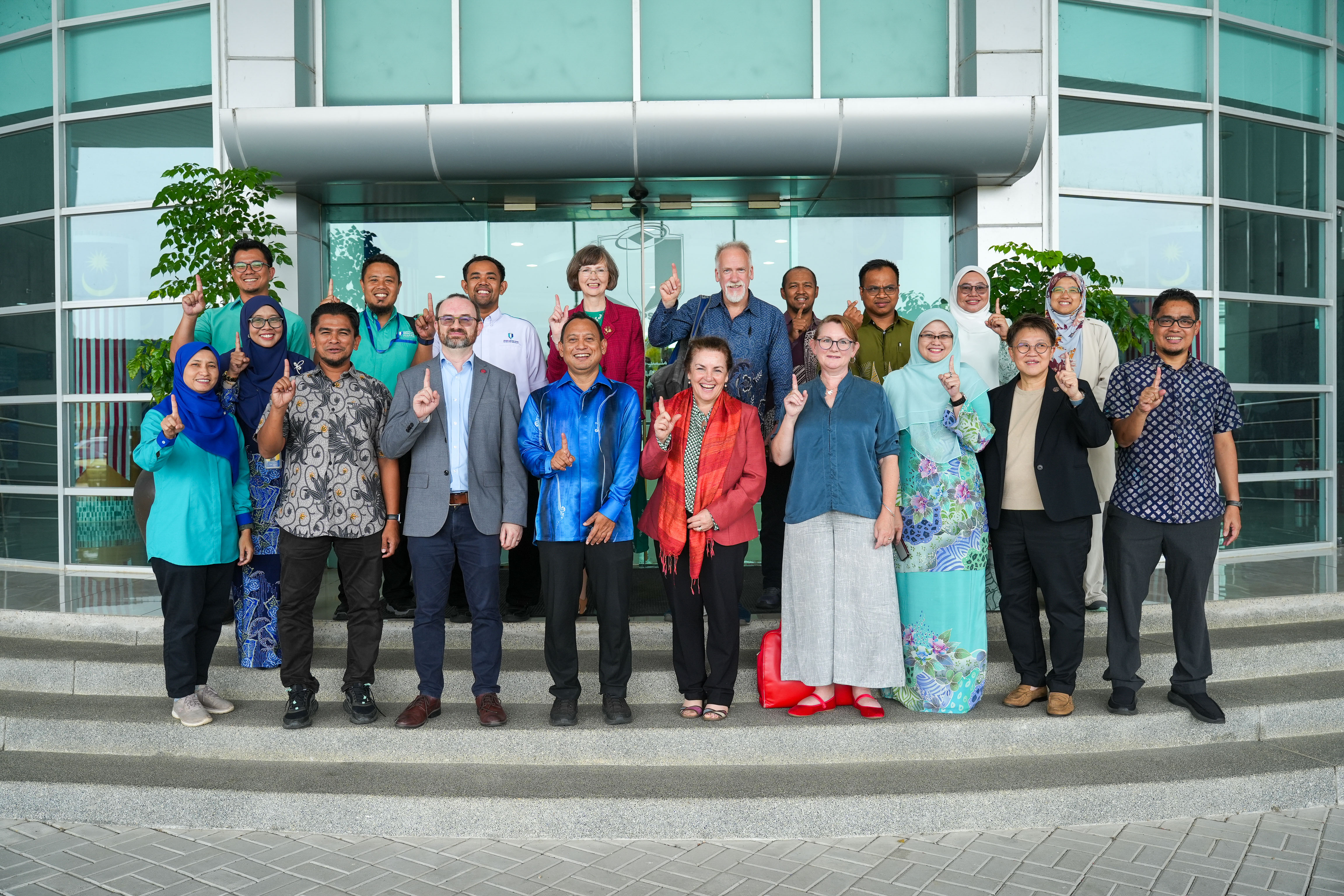
The collaboration between Universiti Malaysia Pahang Al-Sultan Abdullah (UMPSA) and the University of Edinburgh (UoE) was further strengthened today with the university welcoming a delegation from UoE to discuss bilateral collaboration within high-impact academic and research ecosystems, particularly in the areas of space technology, planetary health and sciences, biodiversity, and critical minerals.
The programme was held as part of the Pahang–Scotland Net-Zero & Innovation Programme, a two-day strategic collaboration involving UMPSA, UoE and Pahang Aerospace City, together with strategic partner the Malaysian Industry-Government Group for High Technology (MIGHT), at the UMPSA Pekan and Gambang campuses.
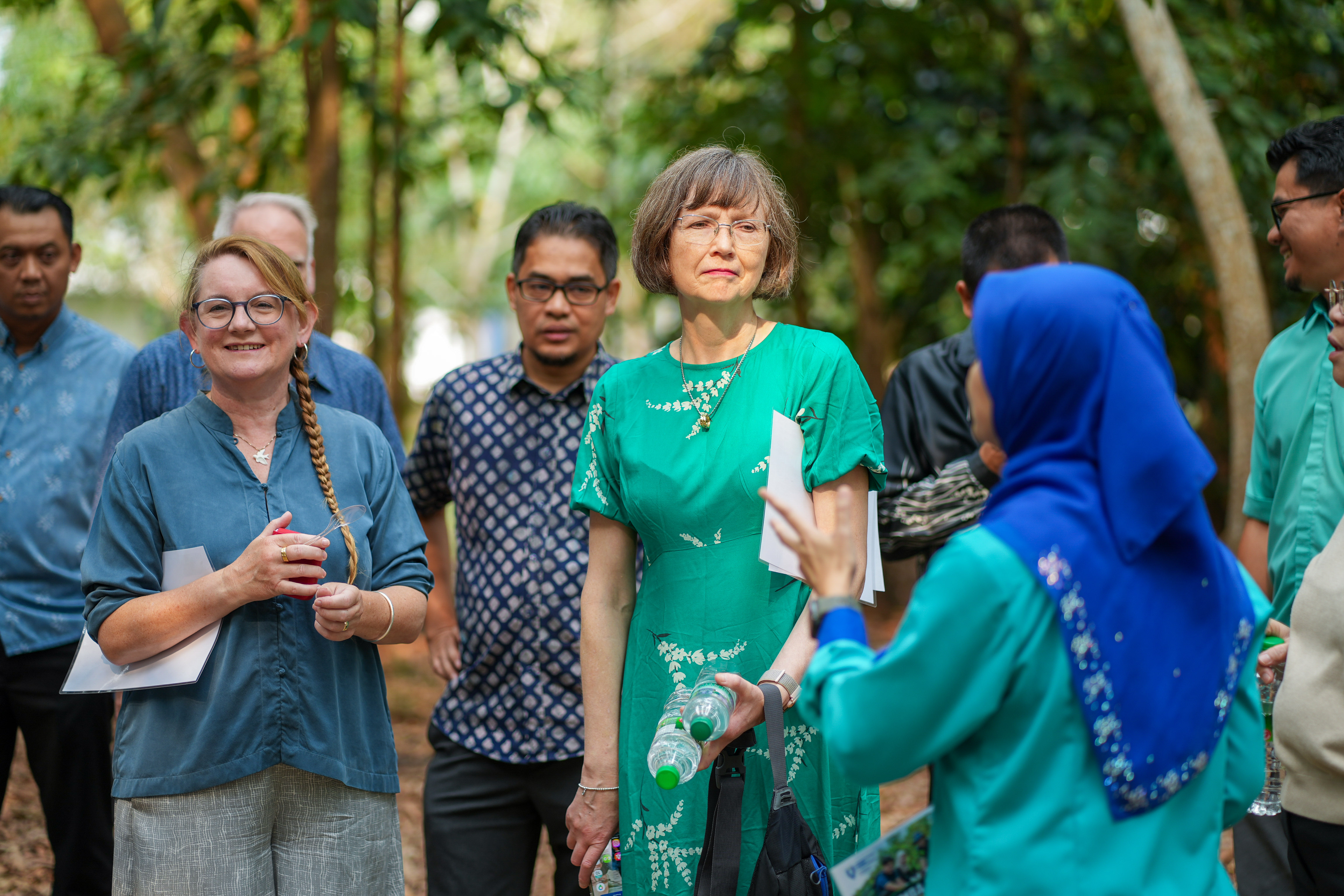
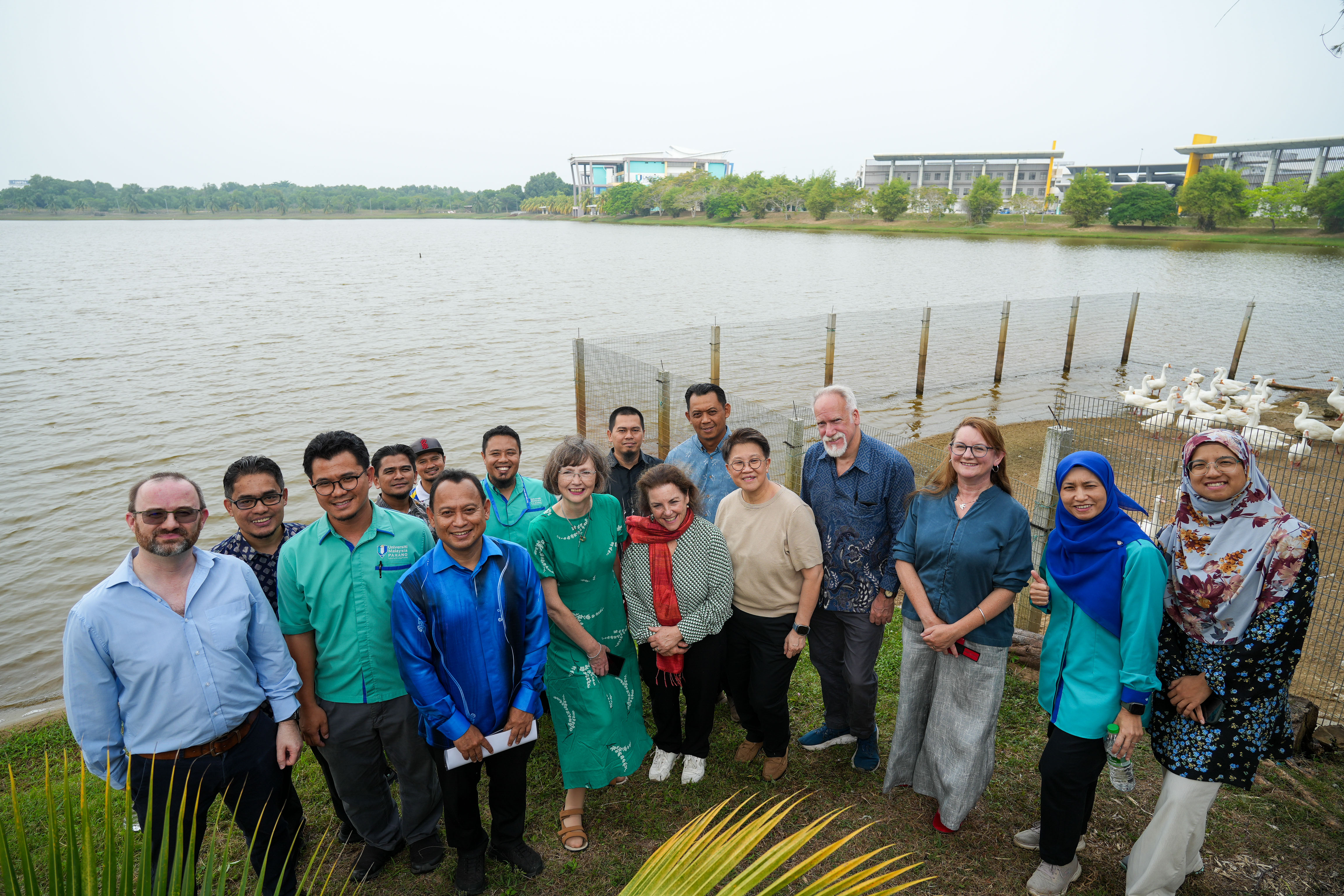
The delegation comprised Professor Neil Robertson, International Dean for Partnership, College of Science & Engineering; Professor Liz Grant, Director of Global Health Academy; Professor Eric Schirmer, Director of Internationalisation, School of Biological Sciences; Professor Margaret Graham, Director of Edinburgh Earth Initiative and Co-Director of the Institute of Environmental Studies; Professor Catherine Kidner, Head of the Institute of Molecular Plant Sciences, College of Science & Engineering; Professor Colin Snodgrass, Director of Internationalisation, School of Physics and Astronomy; and Ms. Audrey Kon, Regional Director, Southeast Asia and Cross-Regional Projects.
Welcoming the delegation were Assistant Vice-Chancellor (Development), Professor Dr. Mahadzir Mohammed; Assistant Deputy Vice-Chancellor (Research and Innovation), Professor Dr. M. Hasbi Ab Rahim; Assistant Deputy Vice-Chancellor (Academic and International), Professor Datin Ts. Dr. Mimi Sakinah Abdul Munaim; Director of the Centre for Global Engagement, Associate Professor Ts. Dr. Herma Dina binti Setiabudi; and Executive Director of Versus Innovation, Associate Professor Ts. Dr. Nasrul Hadi bin Johari.
According to Professor Dr. Hasbi, who represented UMPSA Vice-Chancellor Professor Ts. Dr Yatimah Alias, UMPSA warmly welcomed the UoE delegation.
He said that the visit provided an opportunity to explore new opportunities in critical research areas that would benefit both institutions.
“The key areas of collaboration include the development of a space hub, the Biodiversity Expedition Lab, as well as plans for a Dual Master’s Degree programme between UoE and UMPSA,” he said.
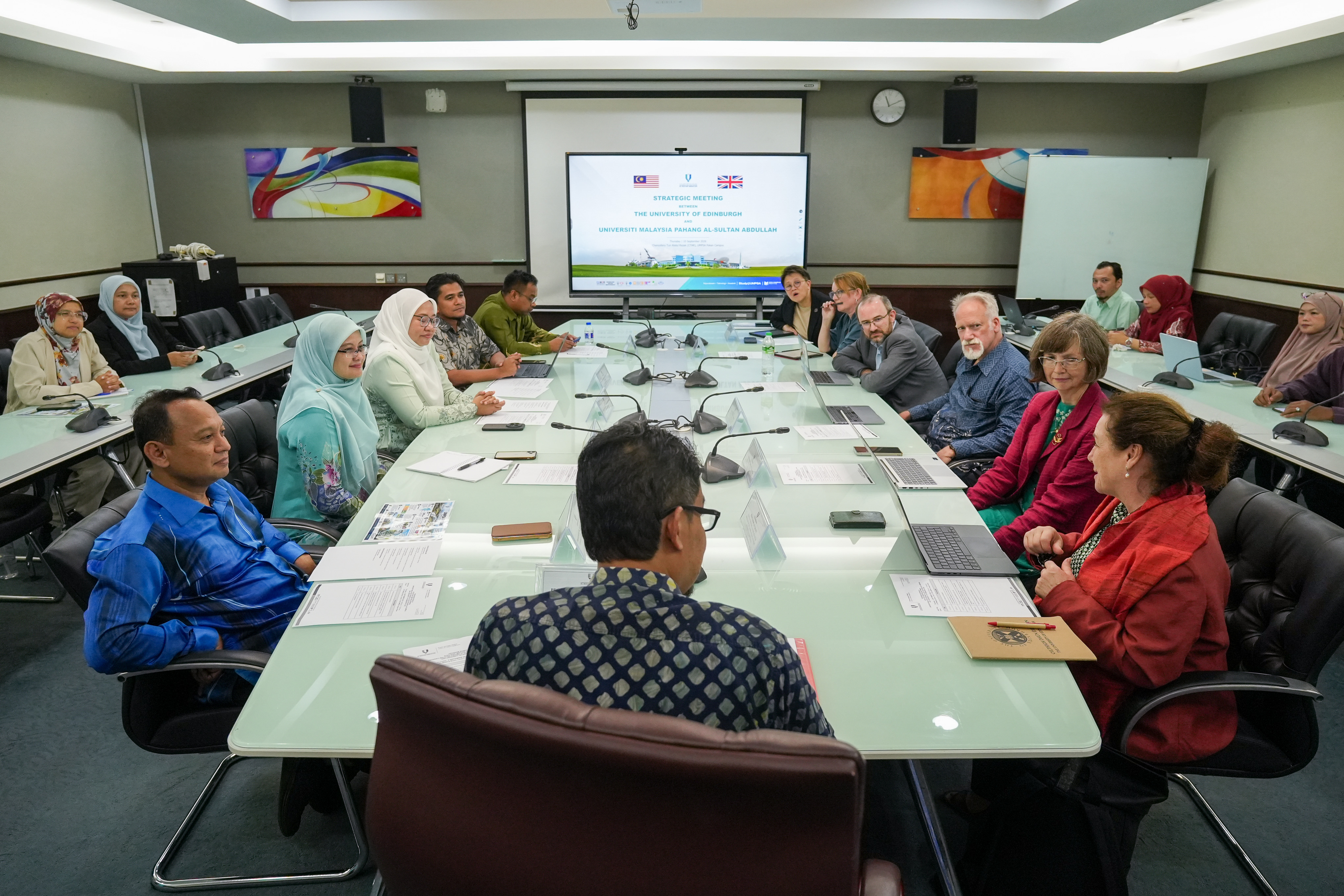
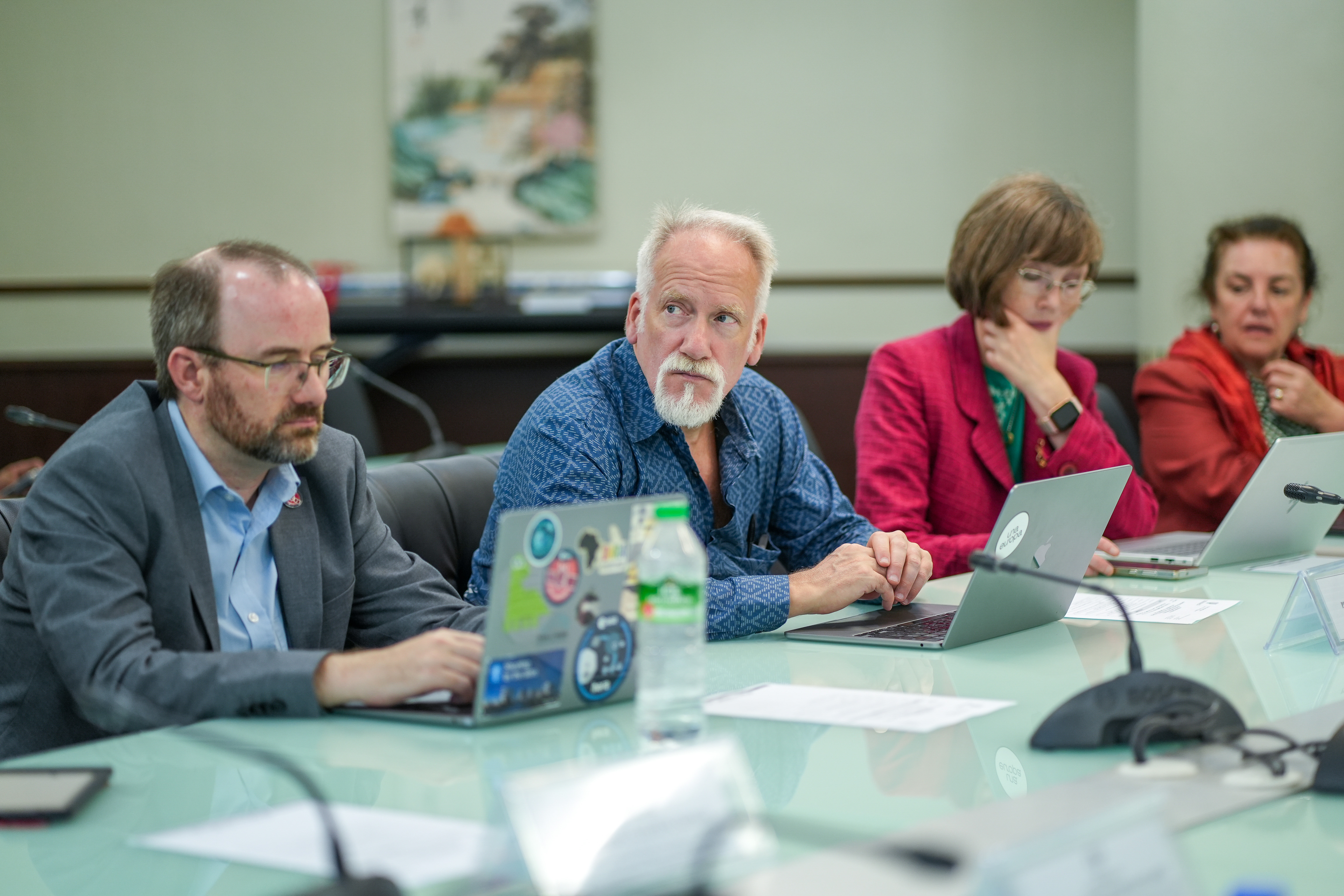
On the first day, a series of strategic discussions were held, including discussions on broader collaboration involving UMPSA’s senior management and faculties together with the UoE delegation. In addition to the Dual Master’s Degree programme, both institutions discussed plans for an MSc in Planetary Health Sciences, a joint supervision model for PhD students, as well as student and staff mobility initiatives targeted to commence in the 2026/2027 academic session.
The discussions continued with a round-table discussion involving UMPSA researchers and the UoE delegation on aerospace technology and talent development; planetary health and the Sustainable Development Goals (SDGs); as well as biotechnology and bioprocessing.
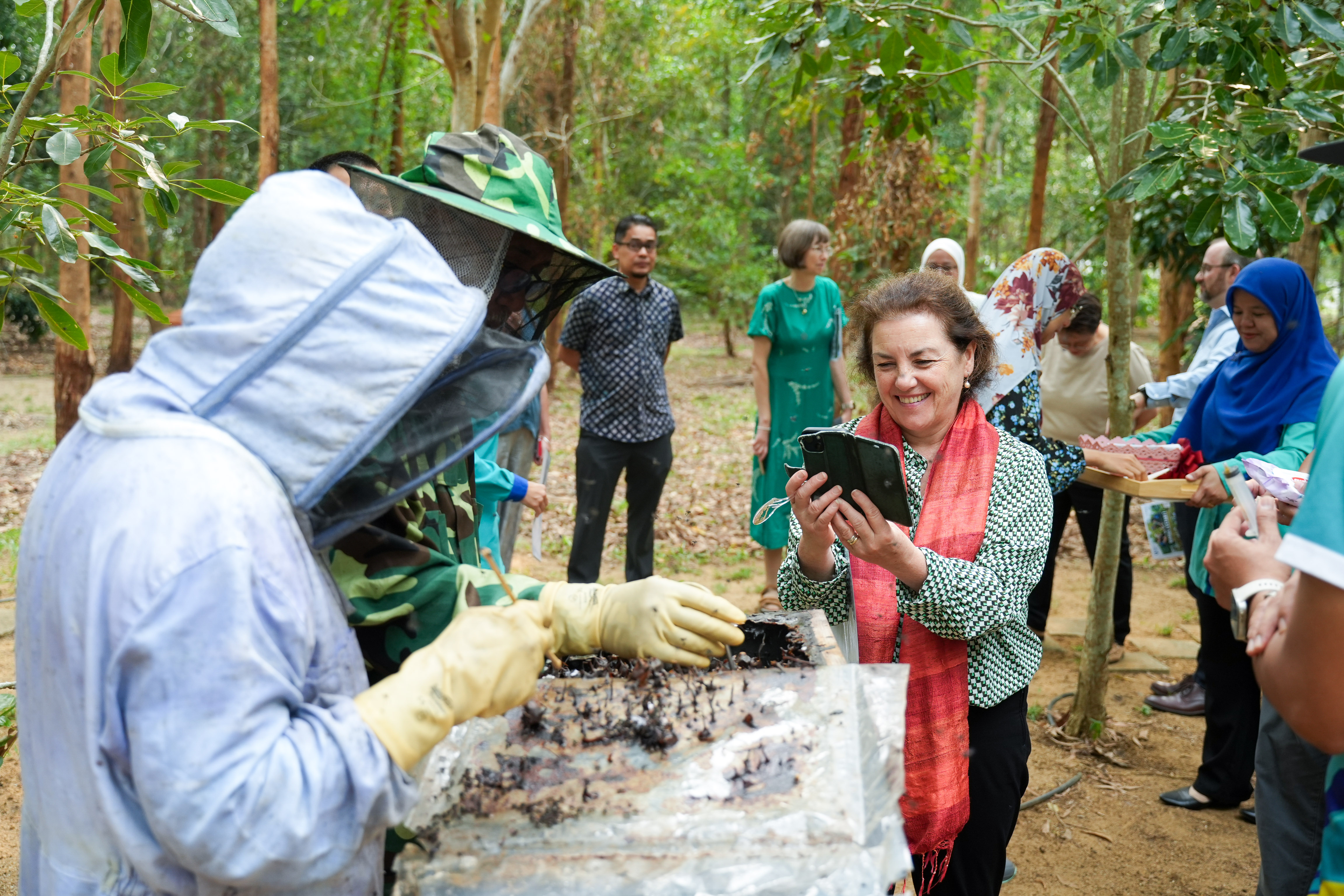
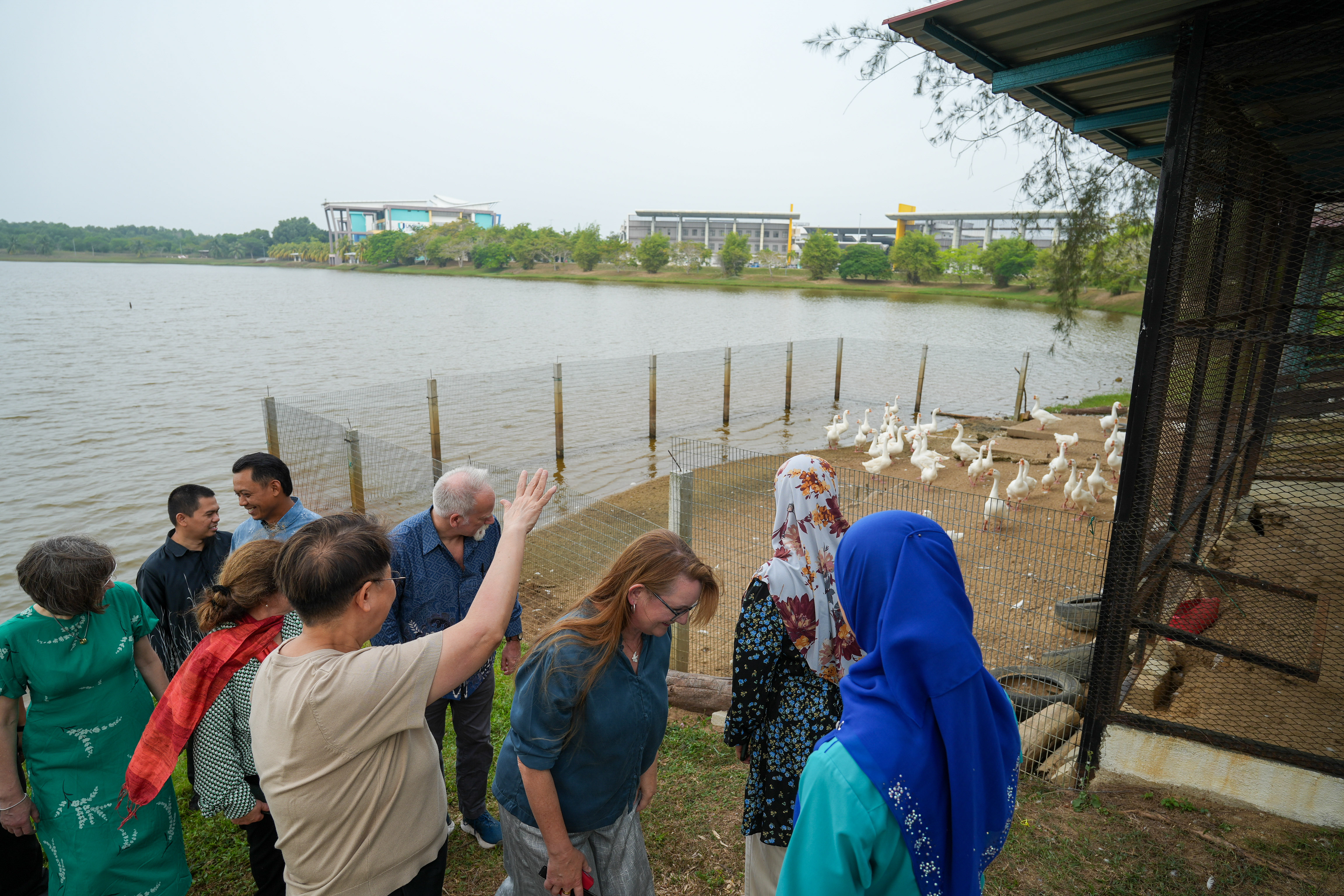
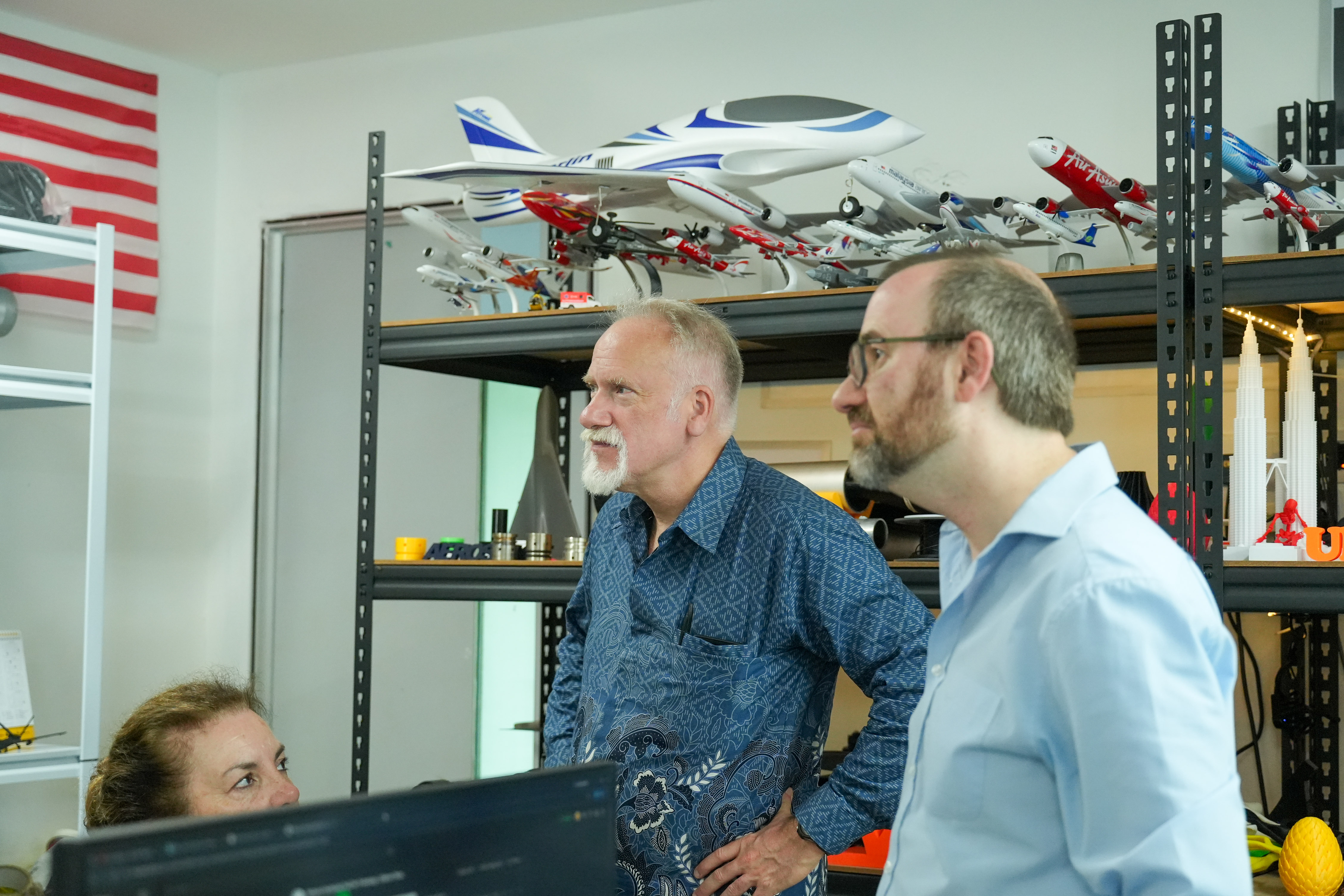
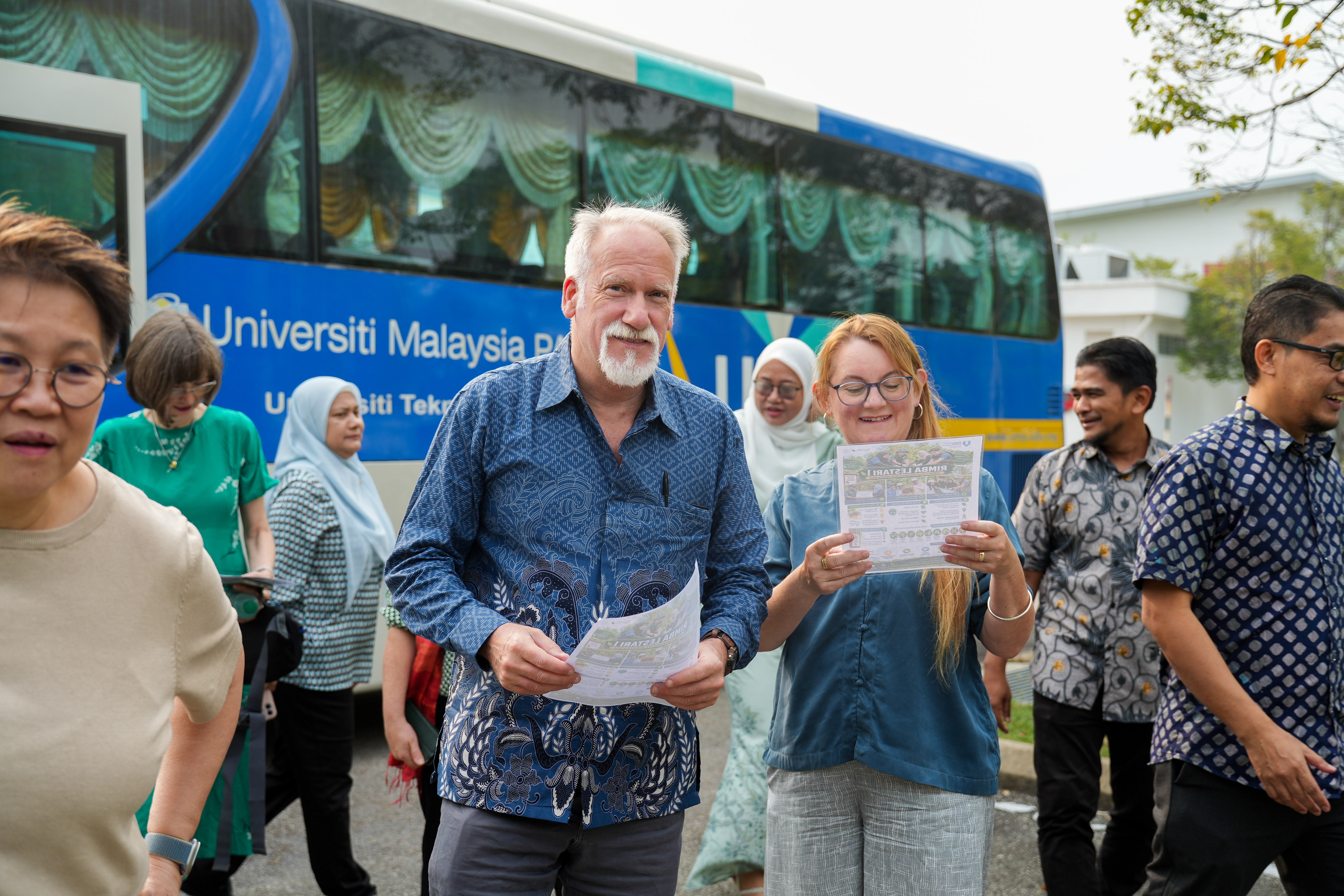
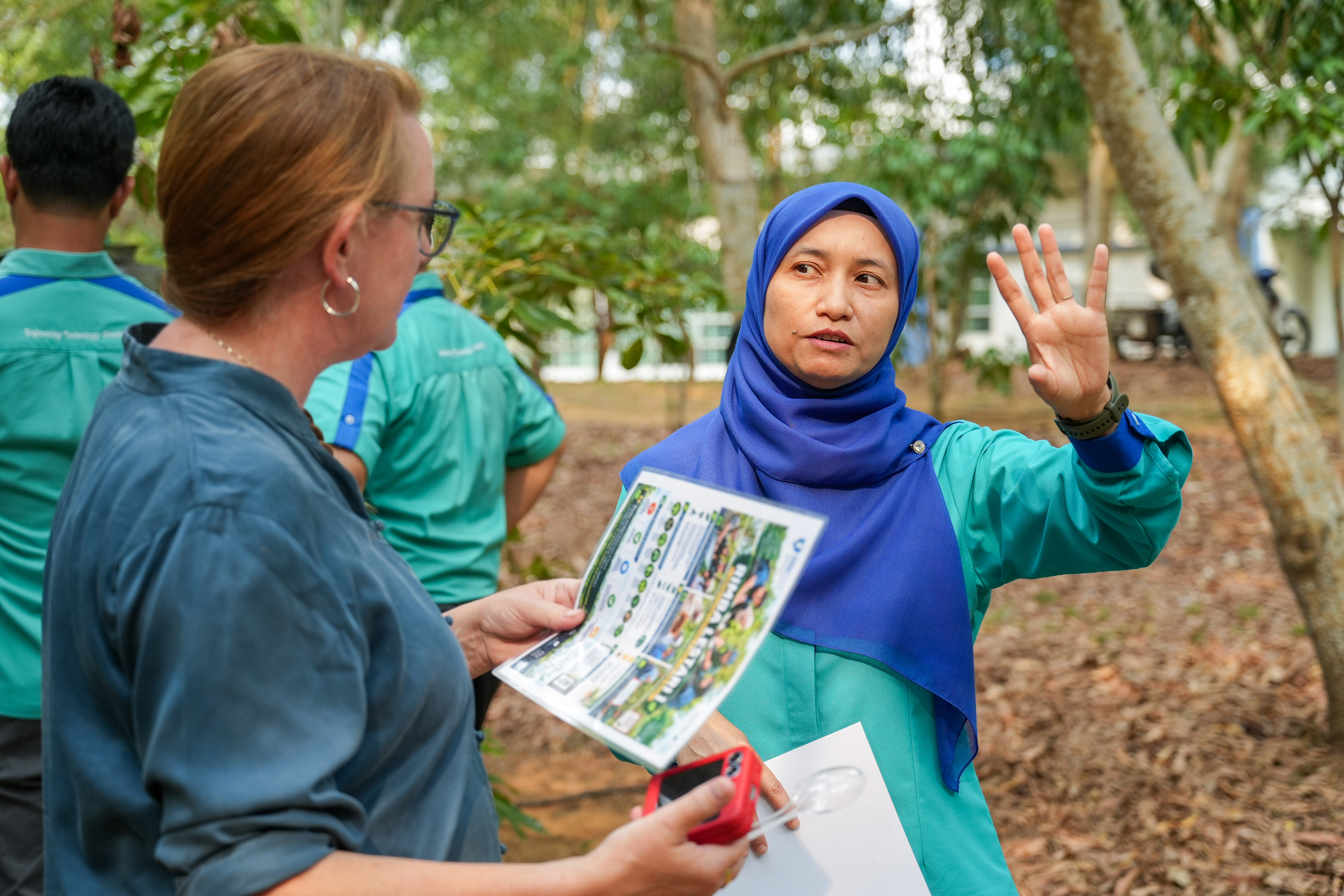
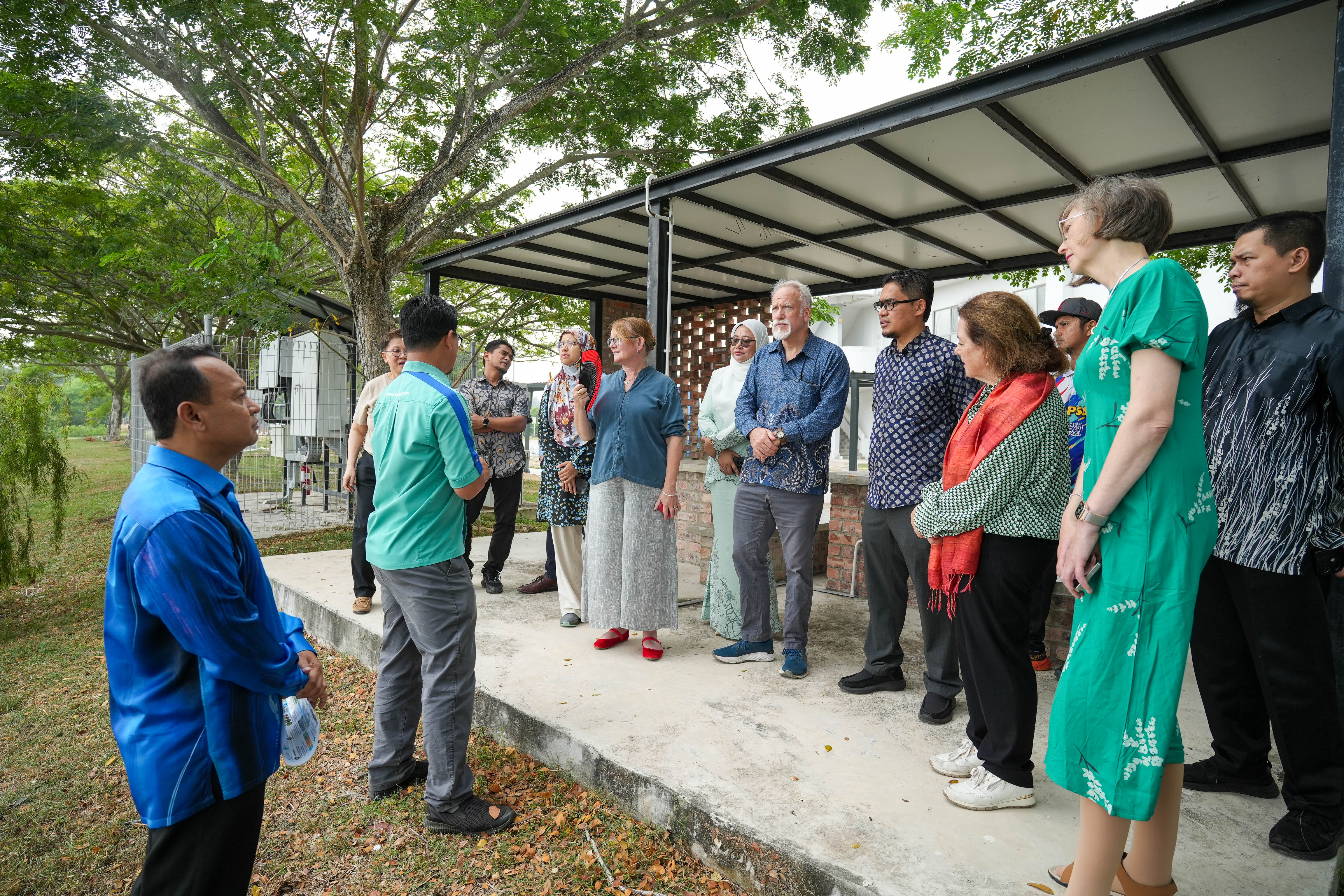
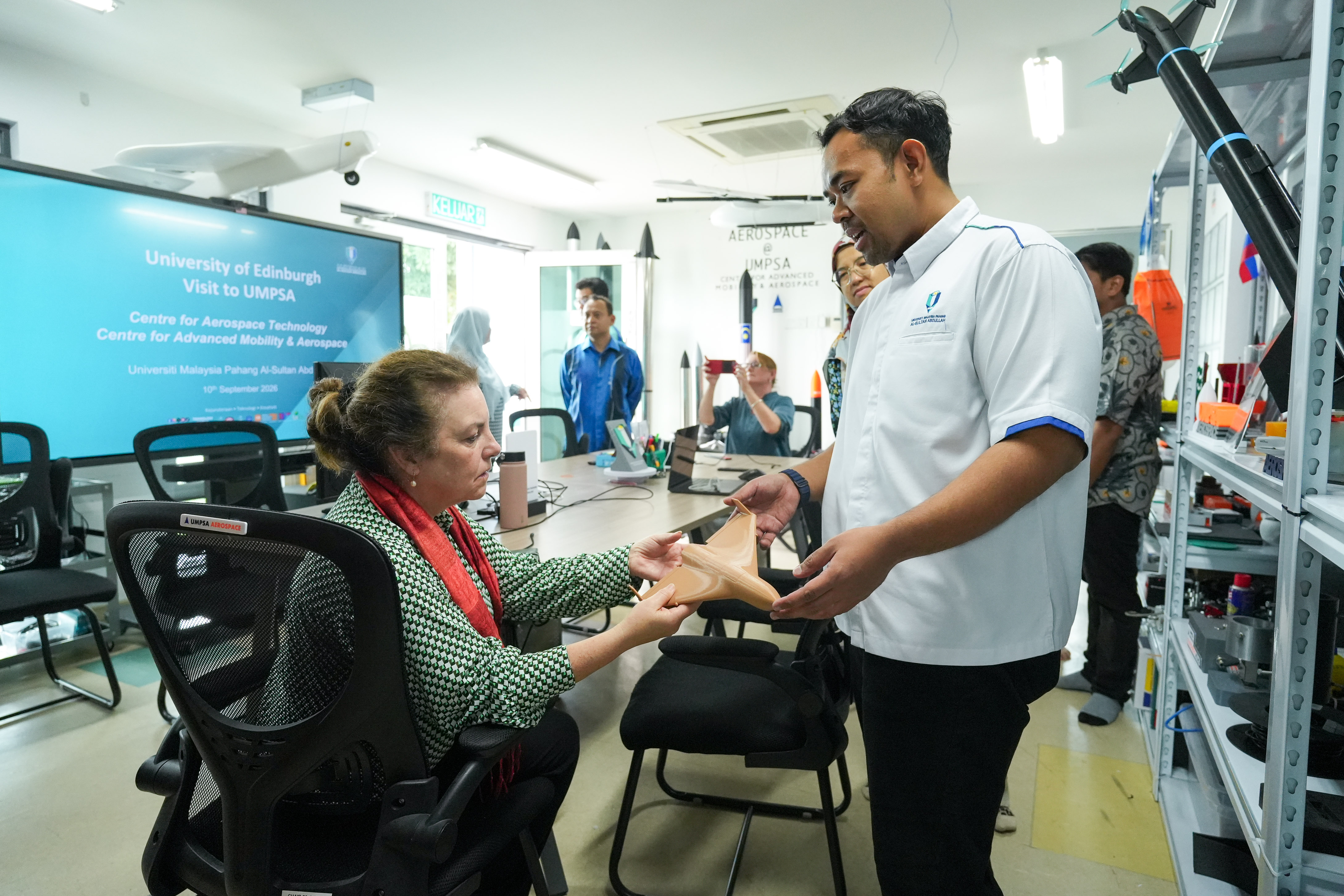
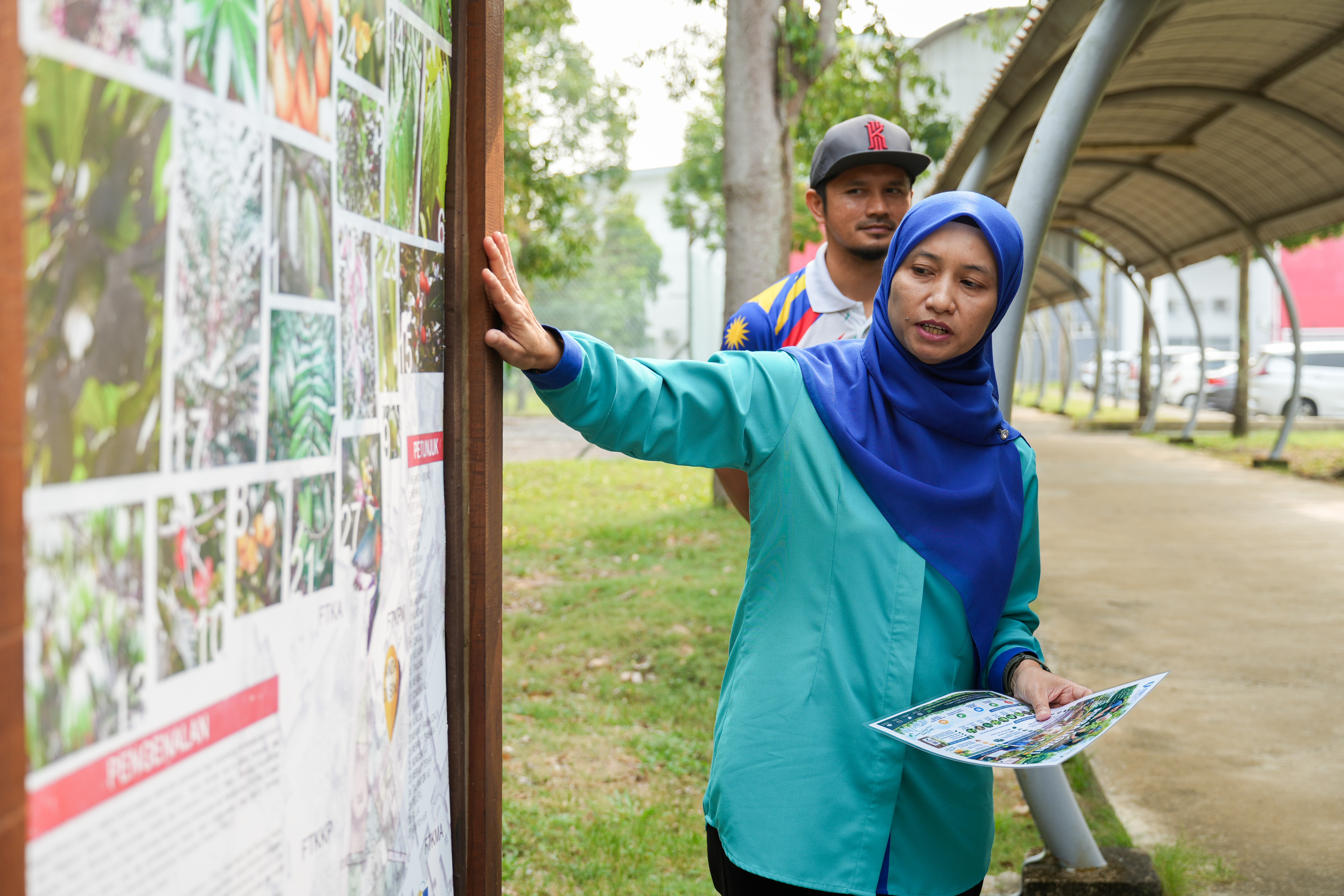
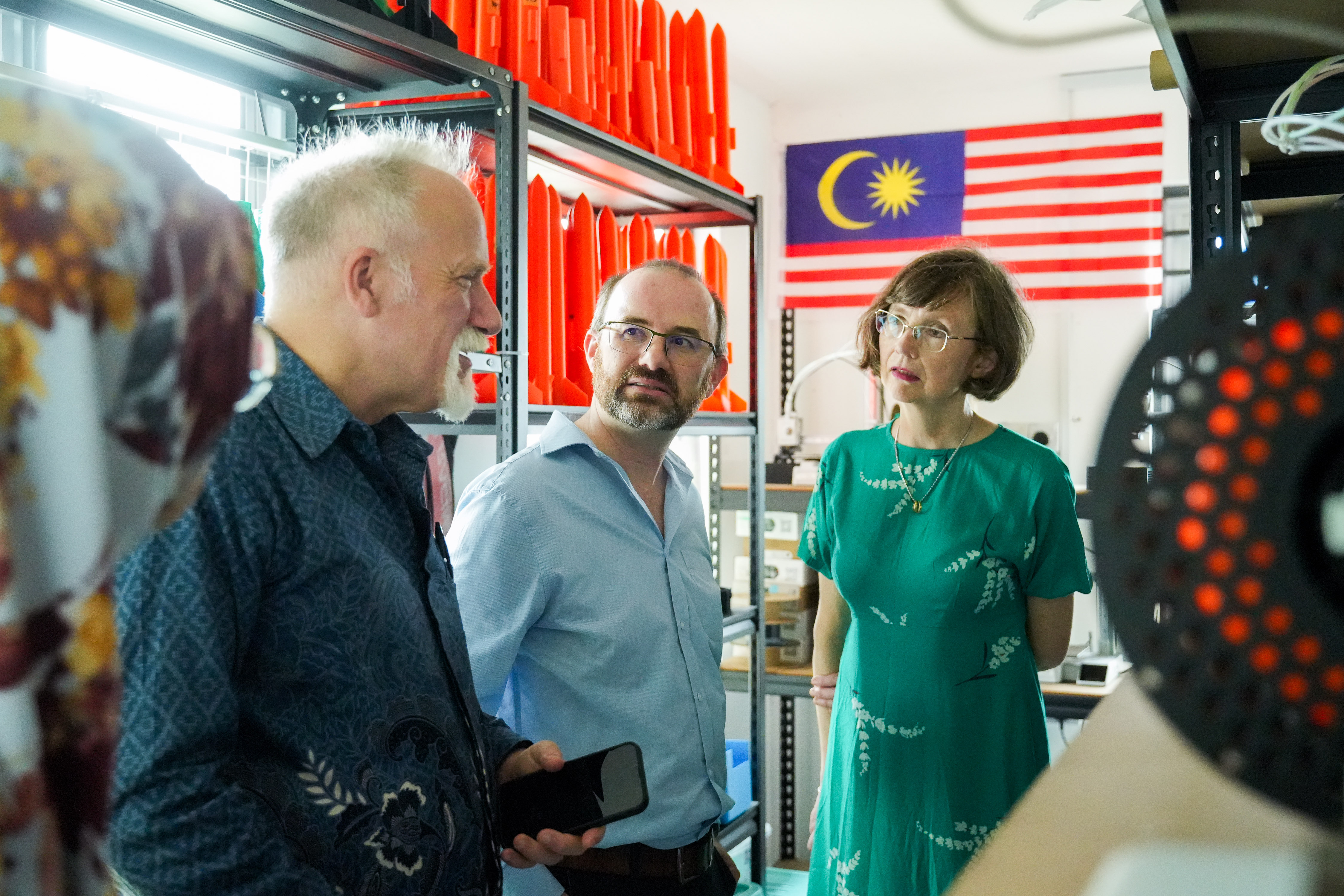
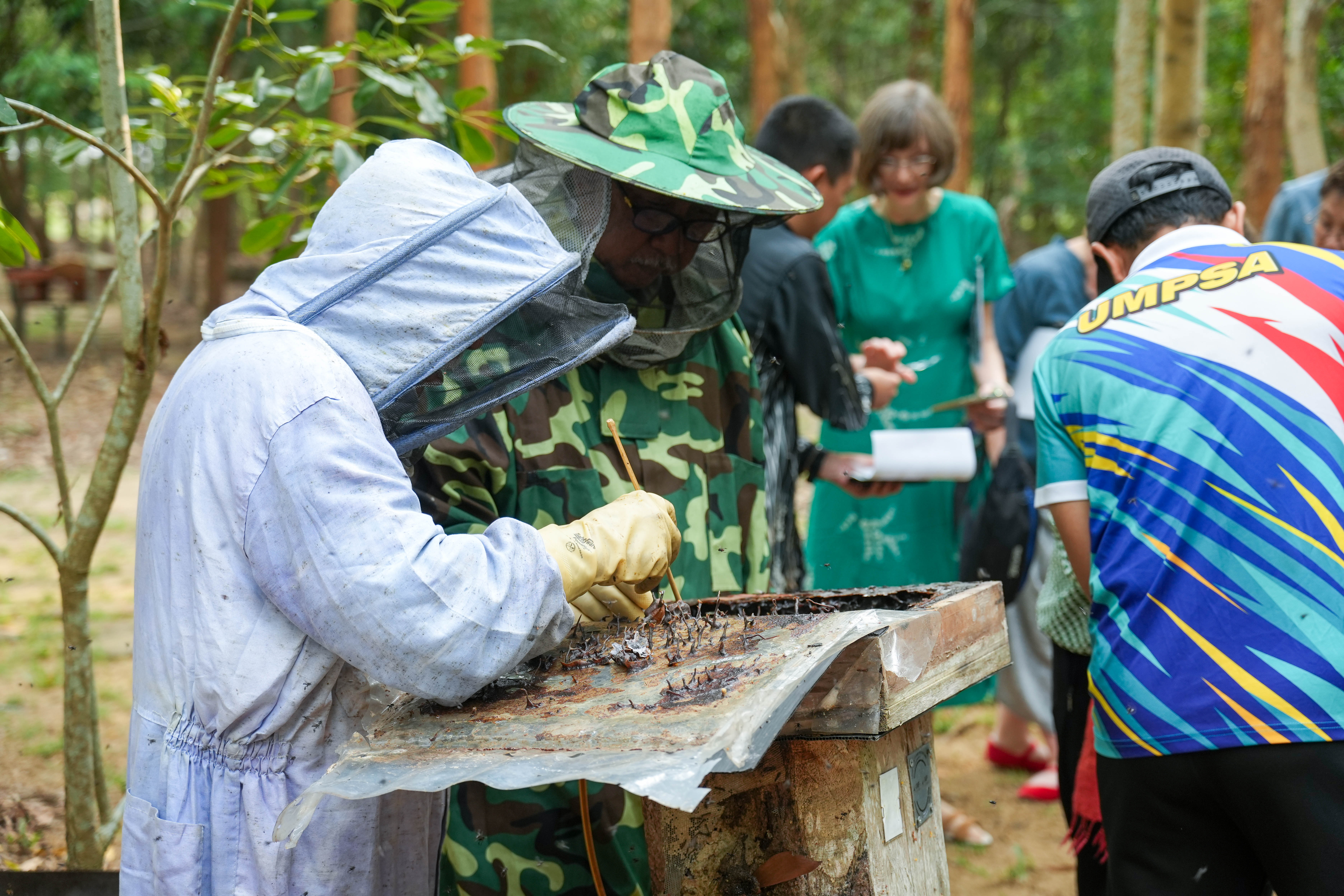
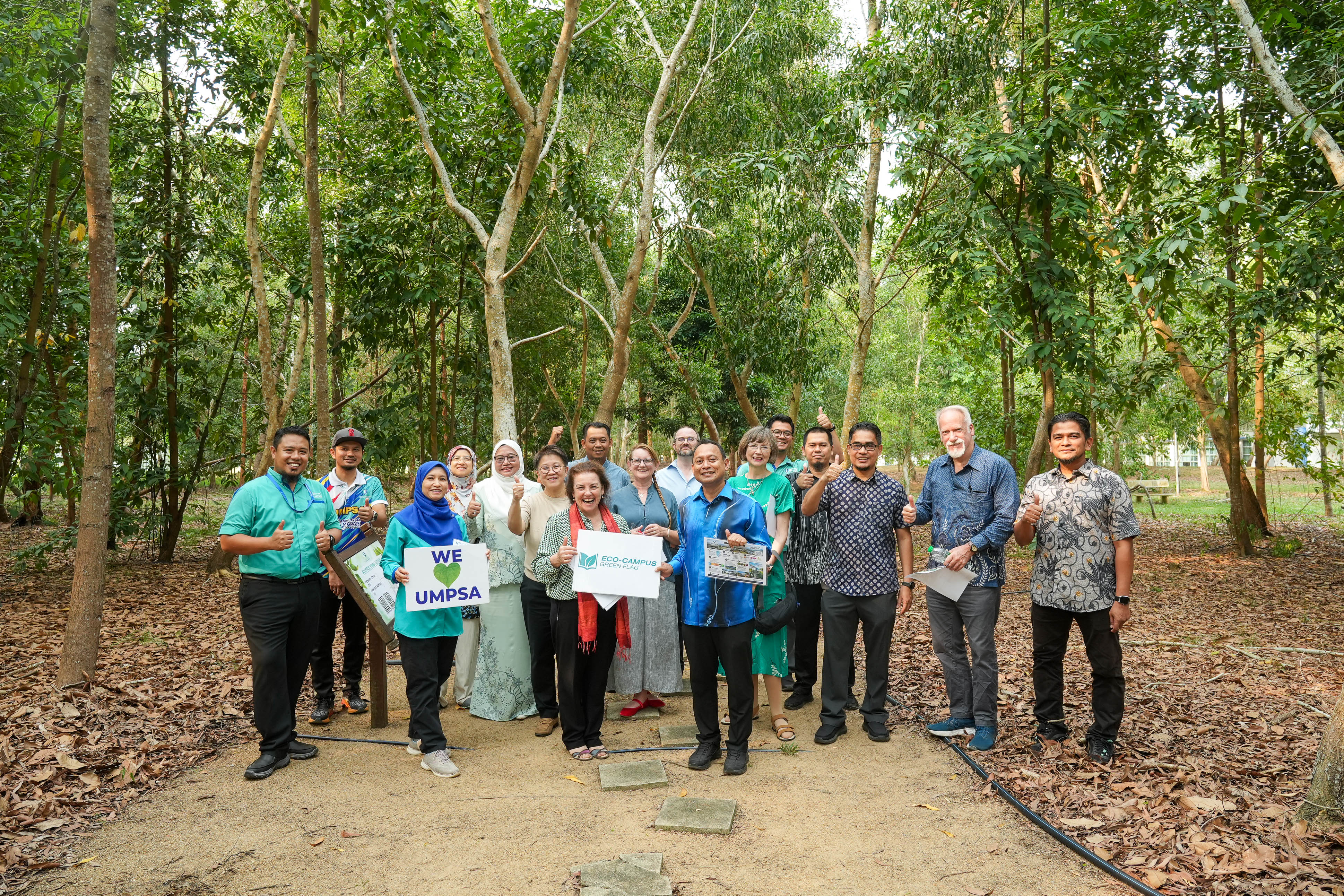
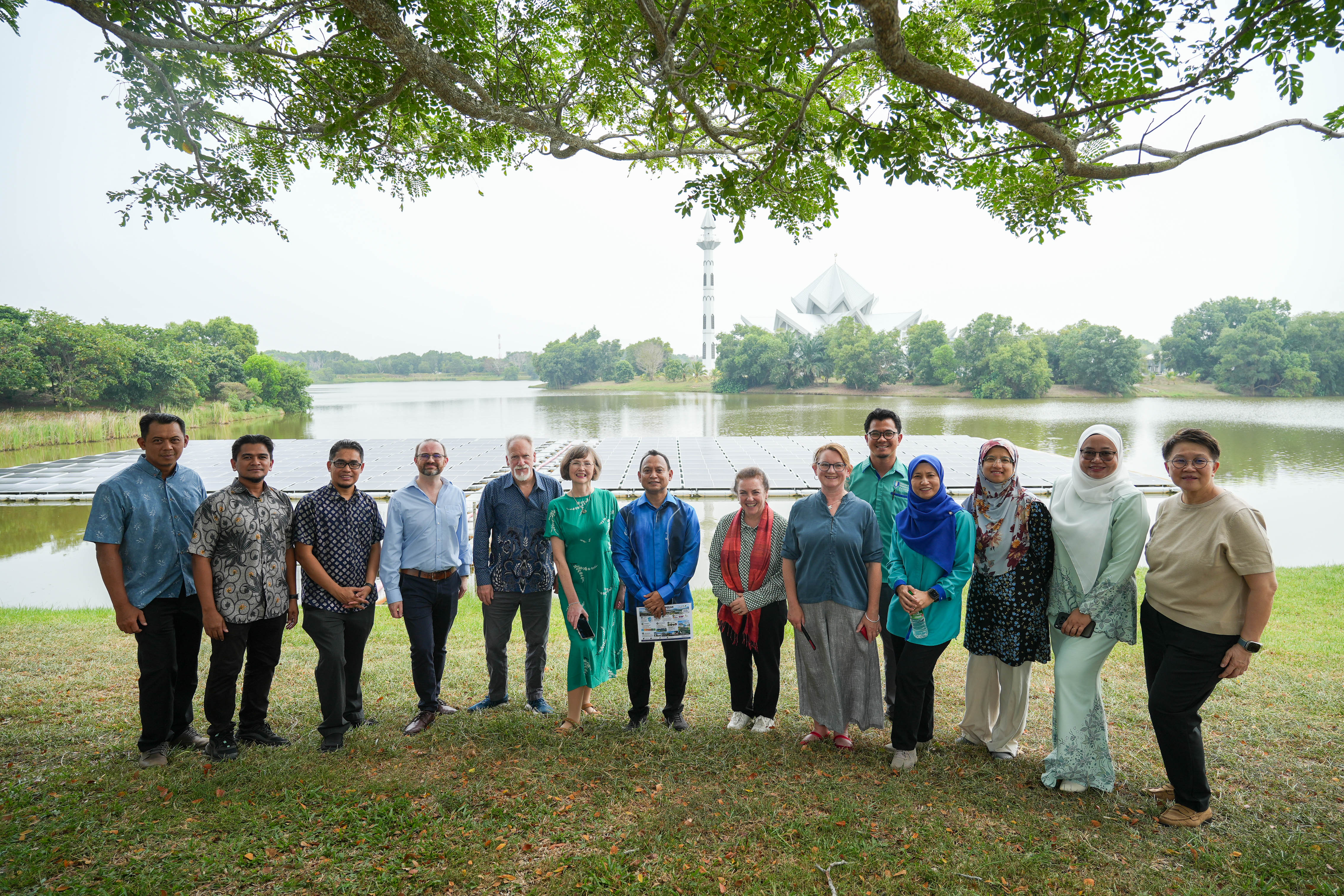
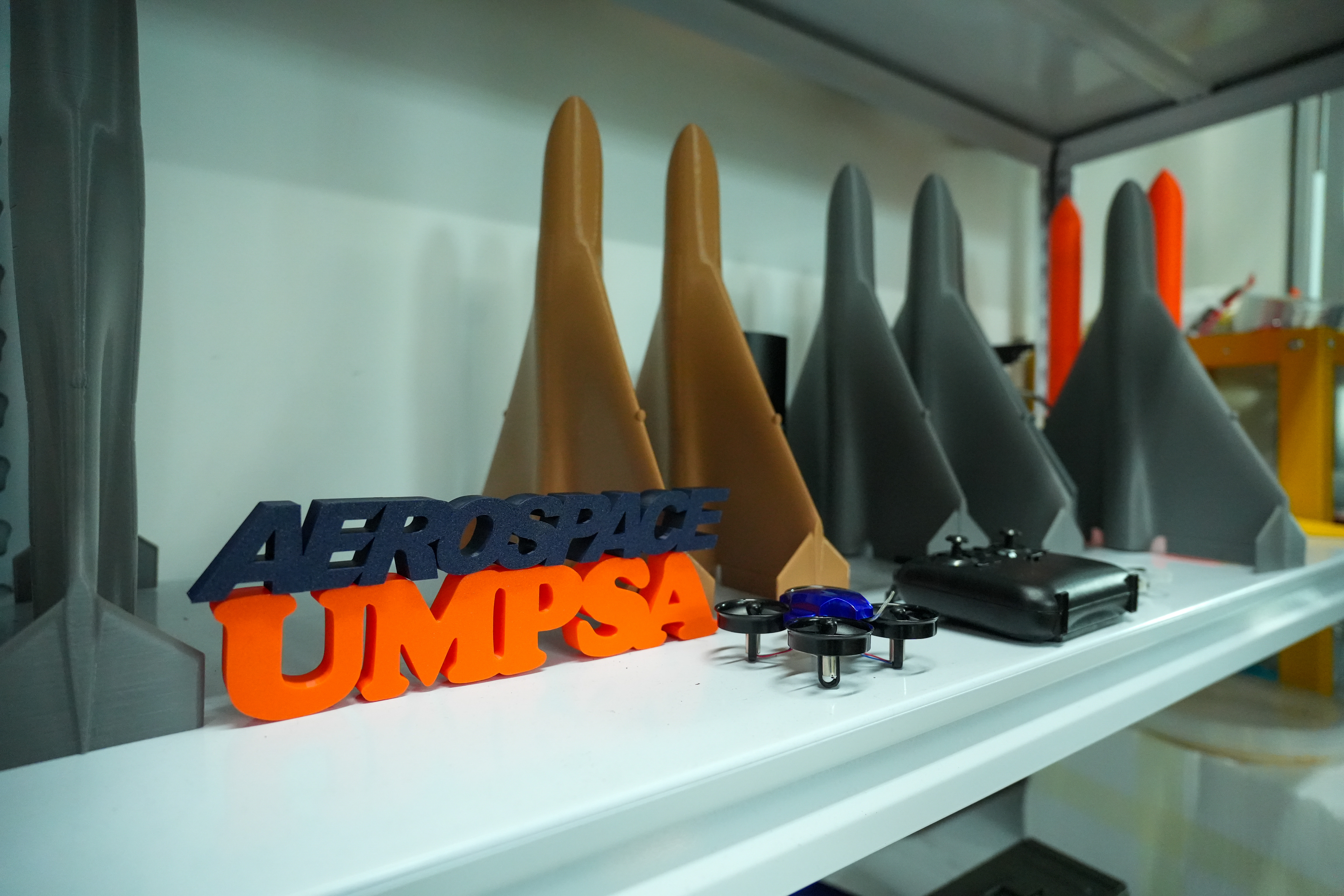
The delegation also had the opportunity to explore UMPSA’s green campus ecosystem, including the Rimba Lestari, floating solar and biodiversity surrounding the lake at the Pekan campus. This was followed by a technical visit to the Aero Laboratory, which showcases facilities for drones, unmanned aerial systems (UAS) and rocket-related research and development.
The UoE delegation also visited research laboratories focusing on bio-based aromatics and bioprocessing at the Centre of Excellence for Bioromatics, UMPSA Paya Besar.
On the second day, the delegation will visit the UMPSA Paya Besar Campus, where UMPSA’s research facilities will be showcased, including the Biomass Valorisation Facility at the Centre for Advanced Materials Technology; research facilities for rare-earth extraction and processing at the Centre for Mineral Sustainability and Resource Technology; and The Microbiome Lab.
The strategic discussions will also cover potential collaboration in bioproduct innovation, fluid-energy systems, biosciences, as well as clean and environmentally friendly rare-earth and critical-mineral processing technologies.
The collaboration is expected to contribute towards the Pahang state government’s aspiration to establish the state as the first regional hub integrating aviation, aerospace, space and future digital technologies.
The establishment of the Venture Studio at UMPSA, Versus Innovation, is also expected to serve as an innovation and commercialisation hub for nurturing start-ups in artificial intelligence (AI), autonomous systems and mobility technologies.
UMPSA is currently advancing towards its aspiration of becoming an Advanced TVET Hub for the Asia-Pacific by 2030 and a leading technology university by 2050, leveraging its strengths in technology and engineering to support economic development and sustainability at the state, national and international levels.
Photo by Naufal Samsudin